


What is melasma?
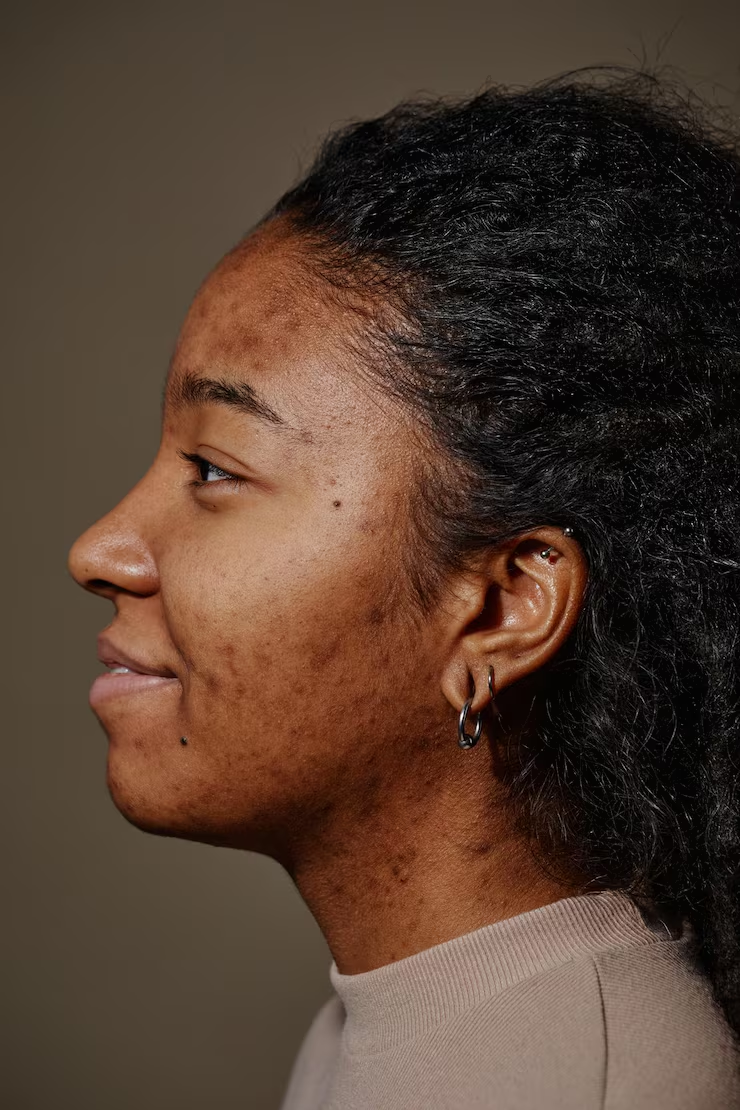
This Melasma is a common skin condition that manifests as dark, irregular patches on the skin, mainly on the face. These patches, sometimes called pregnancy mask or chloasma, can vary in size and intensity and are often visible on the forehead, cheeks, upper lip, and chin.
Although Melasma can affect anyone, it is more common in women, especially during pregnancy, and in people with dark skin.
Understanding Melasma
Melasma is thought to be triggered by sun exposure, hormonal changes, and genetic predisposition. The sun's ultraviolet (UV) rays stimulate melanocytes, the cells responsible for producing melanin, the pigment that gives skin its color. This overproduction of melanin leads to the dark spots characteristic of melasma. Hormonal fluctuations, such as those observed during pregnancy or hormone therapy, can also contribute to increased melanin production.
In addition, family history plays a role in the development of melasma. If your parents or other close relatives have suffered from melasma, you are more likely to develop it as well. Certain medications and cosmetics can also trigger melasma in sensitive individuals. It is important to discuss any potential triggers with your dermatologist.
Melasma is usually diagnosed by a dermatologist through a visual examination of the skin.
In some cases, a Wood's lamp, a special type of ultraviolet light, may be used to evaluate pigmentation in greater detail. This helps determine the depth of the pigment and guide treatment decisions.
Although melasma is not physically dangerous, it can cause emotional distress and damage self-esteem. It is important to remember that effective treatments are available and that, with proper management, melasma can be controlled.
That's why the team at Biotifull Cosmetic is ready to help you with solutions for melasma treatment
Melasma and pregnancy mask
This Melasma is common during pregnancy. It is often referred to as pregnancy maskHormonal changes during this period can increase melanin production, causing dark spots on the skin, mainly on the face.
Although chloasma often disappears after childbirth, it can persist in some cases. If these spots persist, a treatment can be considered to restore an even complexion. This is one of our specialties at Biotifull Cosmetic.
Signs and Symptoms
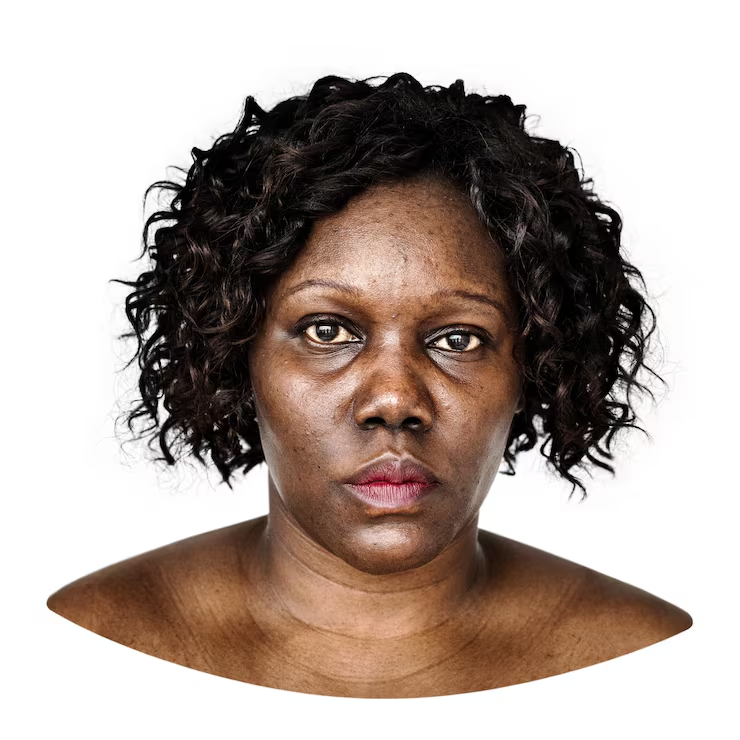
The symptom is usually visible to the naked eye. Brown spots and uneven skin tone, followed by discolored patches on the upper lip, bridge of the nose, cheeks, and forehead, are all signs that confirm the development of skin hyperpigmentation. In some cases, these signs are evident on the arms and neck. The symptoms of melasma are sometimes confused with other skin conditions. If in doubt, consult your cosmetic doctor or dermatologist.
Bonne lecture et à la prochaine pour la suite. Restez connectés mes chères dames.

Waouhhh c’est vraiment très instructif
J’ai appris aujourd’hui et je me rend compte que beaucoup de femmes souffrent de ce mal 😣 souvent dû aussi aux mauvais produits cosmétiques
Tellement enrichissant. J’étais loin d’imaginer qu’on appelait cela ainsi; j’appelais ça mamies, fards, … comme quoi, on apprends chaque jour. Mais entre temps, vous n’avez pas donné les produits qui palieront à cela.