

When it comes to dry skin, we often think of topical dermatological treatments and beauty and skincare products for the face and body. But our lifestyle and diet also play a major role in achieving healthy, glowing skin.

How can you recognise dry skin?
Dry skin is skin that lacks both water and lipids; in other words, it is thirsty and hungry at the same time.
It is very easy to recognise: it feels rough to the touch, sometimes a little coarse, and leaves a tight feeling immediately after washing. In some cases, you may even notice small patches of dead skin or slight flaking.
This skin type often feels uncomfortable, especially after showering or in cold weather. If it is not properly nourished, it can become itchy, show signs of premature ageing (fine lines, loss of elasticity) and even develop a few dry spots.
Causes are numerous:
Some skin types are naturally dry (hereditary factor);
Others become so because of the climate, wind, pollution, or excessively dry air.
Sometimes, hormonal changes or overly aggressive cosmetic products can weaken the skin barrier.
The good news? Even if you cannot change your skin type, you can soften, nourish and rebalance dry skin with the right skincare products and a healthy diet.
The role of nutrition for dry skin
We all know that eating well is essential for overall health.
But what we often forget is that our skin also feeds on what we eat. Diet directly influences the beauty and resilience of the skin.
It provides: The water it needs to stay hydrated, The right lipids to strengthen its protective film, Vitamins and minerals to stimulate cell renewal and slow down ageing.
Dry skin therefore has specific needs: it needs help to retain water, rebuild its lipid barrier, defend itself against external aggressions and regenerate more effectively.
That's why your plate becomes your primary skincare product.
What should you eat to nourish dry skin?
1. Water: your primary beauty elixir
Our skin is made up of nearly 70% water, and most of that water comes from what we drink and eat. Drinking between 1.5 and 2 litres a day, depending on your activity level, weight and the outside temperature, is non-negotiable. But water isn't just found in your glass. Fruits and vegetables rich in water (cucumbers, watermelons, tomatoes, oranges, etc.) also help hydrate your skin from the inside. Conversely, avoid overly sweet drinks and industrial juices: excess sugar promotes insulin production, which
weakens collagen and stimulates sebum production, resulting in dull skin prone to blemishes.
2. Beauty vitamins
Vitamins are like little building blocks that are essential for your skin's comfort. The three most important ones to remember are vitamins A, C and E:
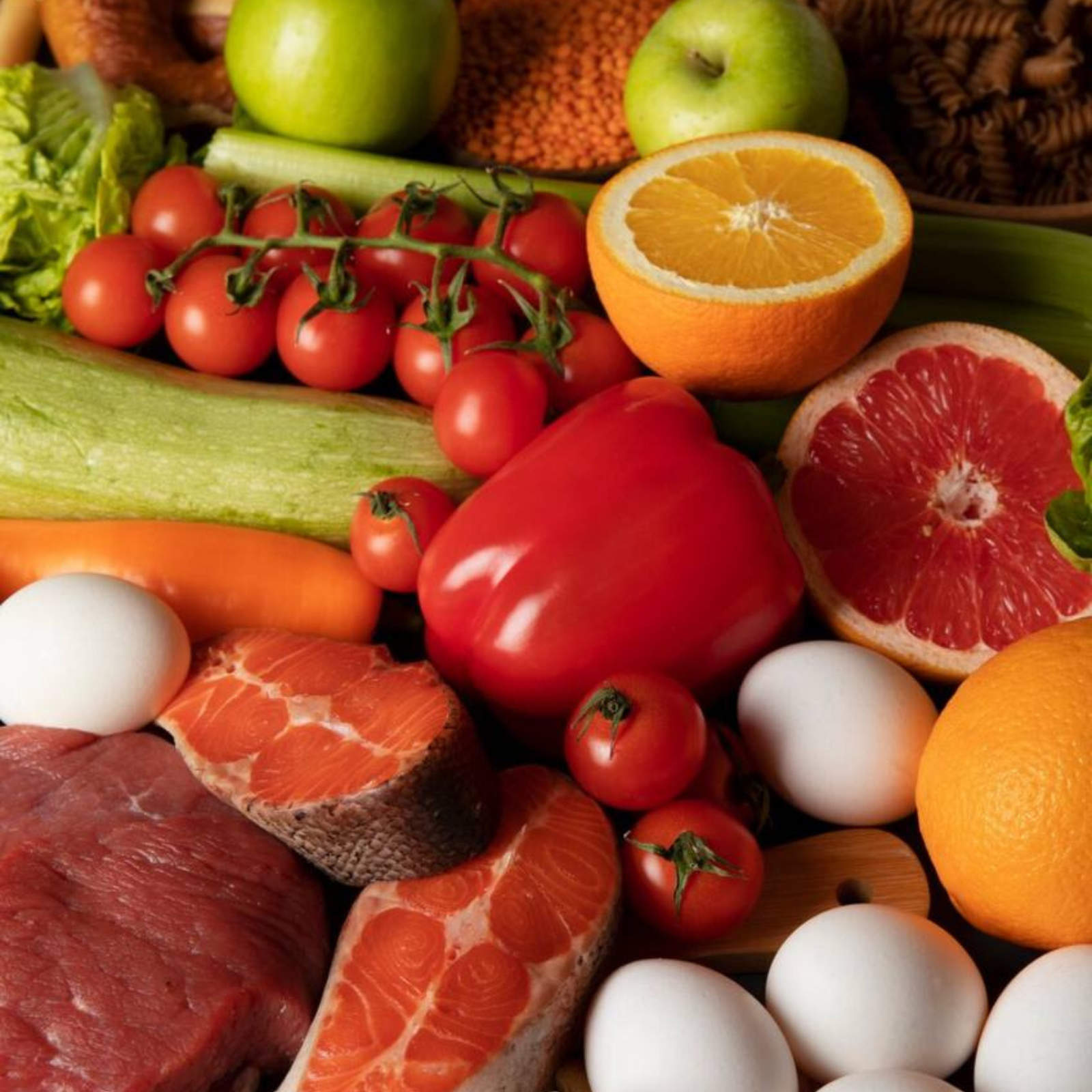
Vitamine A → It helps your skin to renew itself and stay supple. It strengthens its natural barrier against the cold, pollution and irritants. You'll find it in fish, liver and eggs, and in vegetables such as carrots, sweet potatoes and mangoes.
Vitamine C → It boosts the production of collagen, the protein that keeps skin firm and plump. It also acts as a powerful antioxidant that blocks the effects of oxidative stress. It is found in kiwis, citrus fruits, peppers and red berries.
Vitamine E → It acts as a shield against dryness. It protects the skin against free radicals and maintains its elasticity. It is found in vegetable oils (sunflower, almond, olive), nuts, seeds and green vegetables.
Here's a little secret: combining these three vitamins is like giving your skin a ‘complete treatment’ from the inside out.
3. Essential fatty acids: good fats
Essential fatty acids (especially omega-3s) are the number one allies for dry skin.
They strengthen the skin's hydrolipidic barrier, which prevents water from evaporating. They also soothe irritation and reduce inflammation. You can find them in oily fish (salmon, sardines, mackerel), flax or chia seeds, nuts, and certain cold-pressed vegetable oils.
Balance is important: prioritise omega-3 (anti-inflammatory) over omega-6, which is often found in excess in certain industrial oils.
4. Amino acids: the building blocks of collagen
Amino acids contribute to collagen production and tissue cohesion. They help keep skin elastic, firm and well hydrated. The richest sources are meat, fish, eggs, soy, legumes and dairy products (in reasonable quantities).
However, please note: Too many dairy products or saturated fats (such as red meat or palm oil) can cause inflammation and exacerbate dry skin.
The watchword? Balance.
Eat a varied diet, choose fresh foods, and avoid overeating.
You may not be able to change your skin type, but you can help it look its best. Hydrate, eat colourful foods, think about good fats and vitamins, and complete your routine with nourishing and gentle skincare products, such as those from Biotifull Cosmetic, which protect and revive dry skin without suffocating it.
How can you recognise dry skin?
Dry skin is characterised by a rough, tight feeling after washing, as well as small patches of dead skin or slight flaking. It often feels uncomfortable, especially after showering or in cold weather, and can lead to itching or signs of premature ageing if not properly nourished.
How important is nutrition for dry skin?
Nutrition is essential for strengthening the resistance of dry skin, as it provides it with water, lipids for its protective barrier, vitamins and minerals for cell renewal and anti-ageing, helping to soften, nourish and rebalance the skin.
What should one consume to care for dry skin?
You should drink between 1.5 and 2 litres of water per day, eat fruits and vegetables rich in water such as cucumber or watermelon, prioritise vitamins A, C and E, essential fatty acids such as omega-3, and proteins found in meat, fish or eggs, while avoiding excessive consumption of dairy products and saturated fats.
Which foods are rich in vitamins for healthy skin?
Vitamins A, C and E are crucial: vitamin A is found in fish, liver, eggs and carrots; vitamin C in kiwis, citrus fruits, peppers and red berries; vitamin E in vegetable oils, nuts, seeds and green vegetables.
How can you balance your diet for better dry skin health?
You should eat a varied diet, favouring fresh, balanced foods, including sufficient amounts of healthy fats such as omega-3, avoiding excessive saturated fats and dairy products, while ensuring you drink enough fluids to help your skin stay supple and well nourished.
Souviens-toi : ta beauté commence dans ton assiette, mais se révèle dans ton soin. Et avec un peu de constance, ta peau ne sera plus jamais affamée.


Je comprends pourquoi on nous demande de boire notre skin care également 🤭